
Public Sector Financial Signals
Introducing Financial Signals within the public sector industry provides a comprehensive view of the fiscal landscape and economic health of government entities at local, regional, and national levels. These signals encompass a diverse array of financial data points, indicators, and metrics that offer insights into revenue generation, expenditure patterns, budget allocations, and overall financial management practices within the public sector. From analyzing tax revenues and government spending to monitoring debt levels and budget deficits, understanding these signals is crucial for policymakers, government officials, and citizens alike. By leveraging financial signals within the public sector, stakeholders can assess the effectiveness of government policies, identify areas for improvement, and make informed decisions to ensure fiscal sustainability, transparency, and accountability in the management of public finances. Whether it’s tracking trends in public debt, evaluating the impact of economic stimuli, or assessing the efficiency of government spending programs, harnessing the power of Financial Signals empowers stakeholders to promote prudent financial management and drive positive socioeconomic outcomes for their communities and constituents.
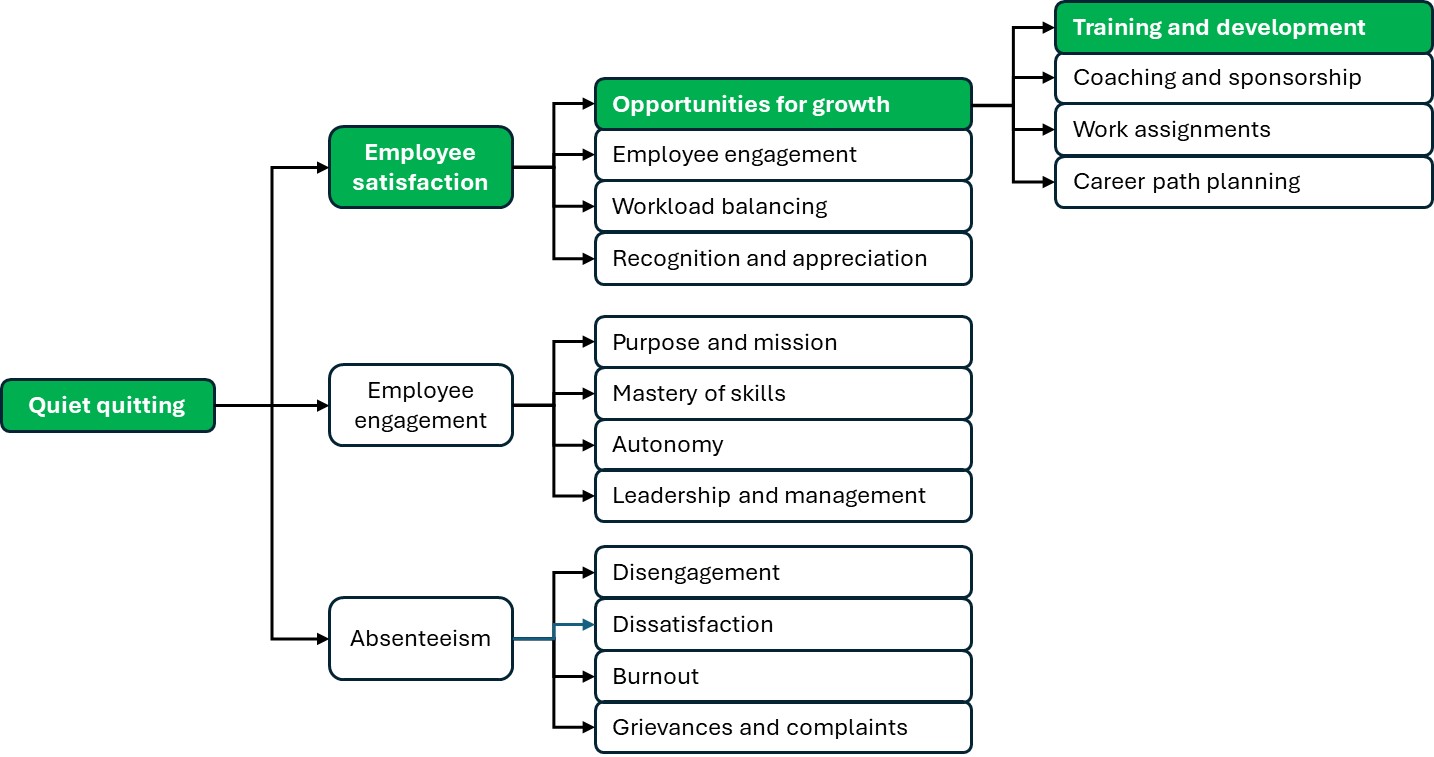
Signals for Quiet Quitting
See what might help us reduce or avoid ‘quiet quitting’ in the workforce? These are some of the financial signals that help reduce quiet quitting within the public sector industry providing a vital lens on a critical aspect of organizational management and employee retention strategies. By monitoring these financial signals and taking proactive measures to address underlying issues, public sector organizations can mitigate the risk of “quiet quitting” among employees and maintain a motivated, engaged workforce.